
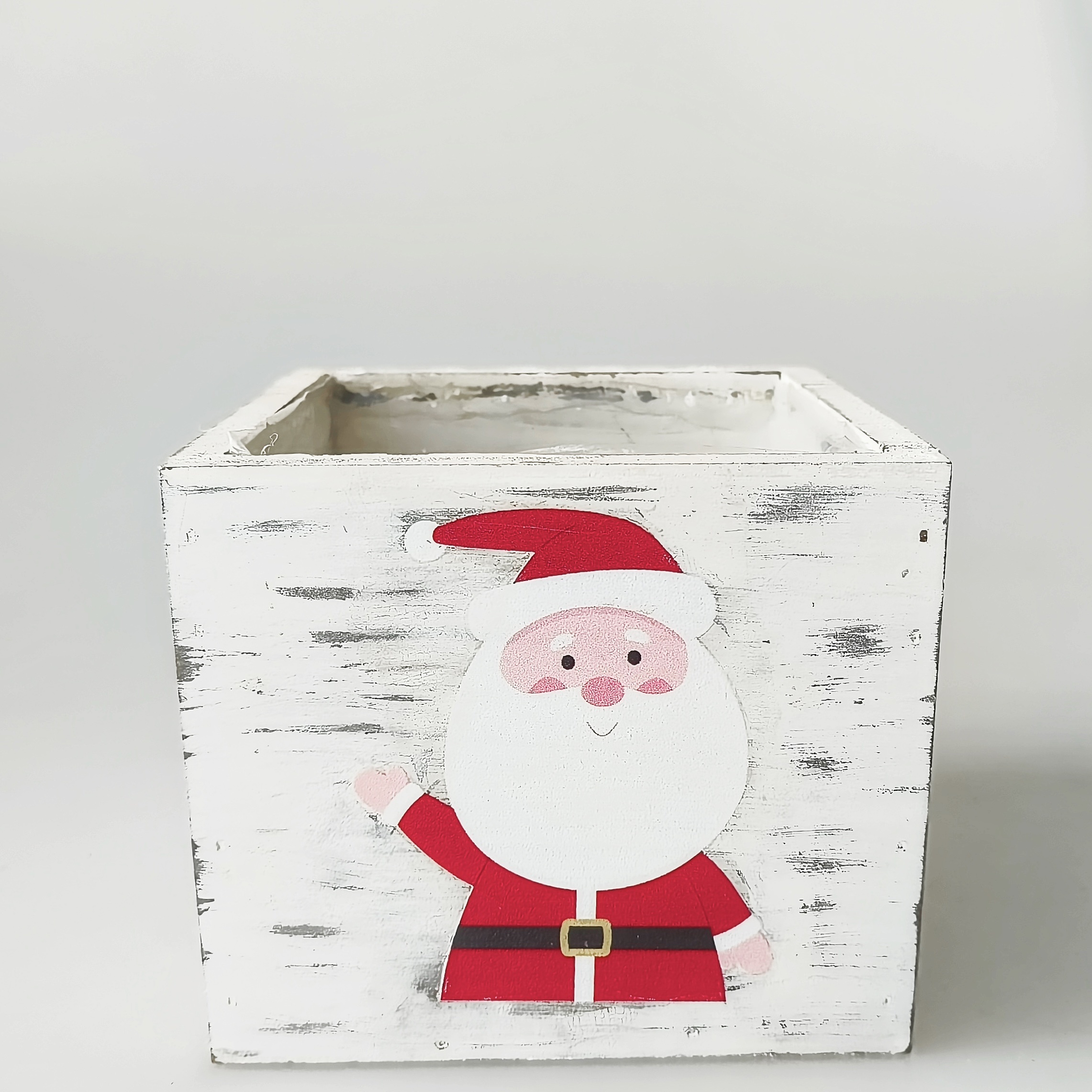


Exploring the Art of Woodpot Craft: Techniques and Materials for Mastery
Release time:
Oct 01,2025
In the realm of wooden crafts, the term "woodpot" typically refers to decorative or functional items made from wood, often showcasing the natural beauty of the material while employing various artistic techniques. Crafting woodpots is not merely an act of creation; it is a journey into understanding wood as a living material, one that requires respect, skill, and creativity.
### Material Selection
When embarking on woodpot crafting, the choice of wood is paramount. Different types of wood offer varying colors, grain patterns, and textures, which can significantly influence the final product. Hardwoods such as walnut, cherry, and maple are often favored for their durability and aesthetic appeal. These woods can be carved, turned, or joined to create intricate designs. Additionally, softwoods like pine or cedar can be used for lighter, more casual pieces, though they may require more care to maintain their integrity over time.
### Techniques
1. **Woodturning**: This technique involves shaping wood on a lathe. It is particularly effective for creating rounded shapes, which are common in woodpot crafting. Mastering woodturning requires practice but can yield stunning results, allowing artisans to focus on symmetry and design.
2. **Carving**: Wood carving is another essential skill for woodpot creators. Using chisels and knives, artisans can add intricate details to their pieces. Relief carving, for example, allows for the enhancement of surfaces with patterns or images, making each woodpot unique.
3. **Finishing**: The finishing process is crucial in woodpot crafting. Applying stains, oils, or varnishes not only protects the wood but also enhances its natural beauty. Understanding how different finishes interact with various wood types will help in achieving the desired aesthetic.
### Design Inspiration
Artisans can draw inspiration from nature, cultural motifs, or contemporary art movements. Experimenting with different shapes and sizes can also lead to innovative designs. For instance, incorporating mixed materials—like metal or stone—can create striking contrasts while adding functional elements to a woodpot.
### Sustainability Considerations
As the demand for wooden crafts grows, it is essential for artisans to consider sustainable practices. Sourcing wood from responsibly managed forests and utilizing reclaimed wood not only reduces environmental impact but also adds a unique story to each piece.
In conclusion, mastering the art of woodpot crafting involves a combination of material knowledge, technical skills, and creative exploration. As artisans delve into this intricate craft, they have the opportunity to create functional art pieces that resonate with beauty and craftsmanship, contributing to the rich heritage of wooden arts.
Want to know more about the product? Get information now
Hengxiang has provided many customers with high-quality total solutions and complete sets of products.
Contact Us
Tel : +86-771-5516872
Email : sales@hxhandicrafts.com
Address : Kaiyuan Road, Binzhou Industrial Park,Binzhou Town,Binyang County, Guangxi,China.

Copyright ©2023 Guangxi Binyang Hengxiang Handicrafts co Ltd. |