
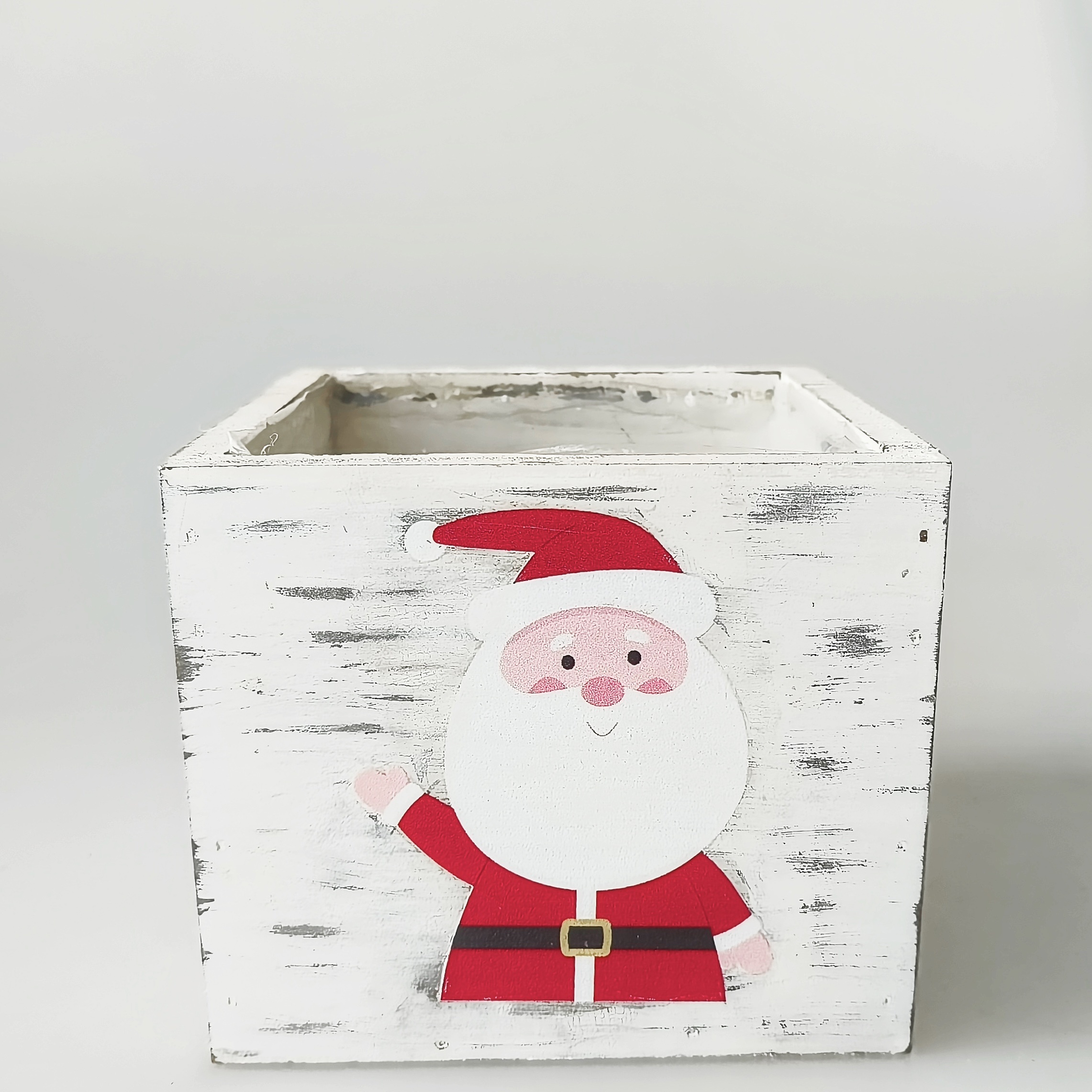


Exploring the Timeless Charm of Woodpots: A Craftsperson's Guide
Release time:
Dec 10,2024
---
Woodpots are remarkable examples of craftsmanship within the realm of wooden art pieces. These handcrafted containers, ranging from simple utility items to intricate decorative pieces, embody the rich heritage and skills passed down through generations. Choosing woodpots as a focal point in your craft can not only enhance your product offerings but also connect with consumers seeking authenticity and artistry.
One of the primary considerations when working with woodpots is the selection of materials. Various types of wood can be used, each contributing to the pot's aesthetic and functional properties. Hardwoods such as oak, maple, and walnut are popular due to their durability and fine grain, providing a luxurious finish. In contrast, softer woods like pine can be easier to carve and shape, allowing for more intricate designs. Understanding the characteristics of different woods can help artisans create woodpots that appeal to diverse tastes and preferences.
The crafting process of woodpots often involves several stages, beginning with sketching design ideas. Artisans should think about the intended use of the woodpot—whether it’s for storage, display, or as a functional kitchen item. Once the design is established, the selection of tools becomes crucial. Carving tools, sanders, and finishes play a significant role in shaping the wood and enhancing its natural beauty. A finely crafted woodpot can reflect hours of meticulous work, showcasing the artisan's skill and creativity.
Finishing techniques are also vital in the creation of woodpots. Applying natural oils or waxes not only protects the wood but also enhances its color and texture. Many artisans prefer eco-friendly finishes that align with the growing demand for sustainable products. Clear finishes like tung oil or linseed oil can bring out the unique grains of the wood, allowing the natural beauty to shine through while providing a protective barrier.
Incorporating cultural elements into the design of woodpots can add depth and meaning to the craft. Different cultures have unique styles and techniques that can inspire artisans. For instance, traditional Japanese woodcraft often emphasizes minimalism and the beauty of imperfection, while Scandinavian designs tend to be modern and functional. By blending these influences, artisans can create one-of-a-kind woodpots that resonate with a broader audience.
Lastly, marketing woodpots effectively requires a genuine narrative around each piece. Sharing the story behind the craftsmanship, the source of the wood, and the techniques used can captivate potential buyers. Highlighting the artistry involved not only enhances the perceived value of the woodpots but also fosters a connection between the artisan and the consumer.
In conclusion, woodpots represent a beautiful intersection of function and artistry within wooden crafts. By understanding the various materials, techniques, and cultural inspirations, artisans can create exceptional pieces that stand out in the market, catering to the evolving preferences of discerning consumers.
Woodpots are remarkable examples of craftsmanship within the realm of wooden art pieces. These handcrafted containers, ranging from simple utility items to intricate decorative pieces, embody the rich heritage and skills passed down through generations. Choosing woodpots as a focal point in your craft can not only enhance your product offerings but also connect with consumers seeking authenticity and artistry.
One of the primary considerations when working with woodpots is the selection of materials. Various types of wood can be used, each contributing to the pot's aesthetic and functional properties. Hardwoods such as oak, maple, and walnut are popular due to their durability and fine grain, providing a luxurious finish. In contrast, softer woods like pine can be easier to carve and shape, allowing for more intricate designs. Understanding the characteristics of different woods can help artisans create woodpots that appeal to diverse tastes and preferences.
The crafting process of woodpots often involves several stages, beginning with sketching design ideas. Artisans should think about the intended use of the woodpot—whether it’s for storage, display, or as a functional kitchen item. Once the design is established, the selection of tools becomes crucial. Carving tools, sanders, and finishes play a significant role in shaping the wood and enhancing its natural beauty. A finely crafted woodpot can reflect hours of meticulous work, showcasing the artisan's skill and creativity.
Finishing techniques are also vital in the creation of woodpots. Applying natural oils or waxes not only protects the wood but also enhances its color and texture. Many artisans prefer eco-friendly finishes that align with the growing demand for sustainable products. Clear finishes like tung oil or linseed oil can bring out the unique grains of the wood, allowing the natural beauty to shine through while providing a protective barrier.
Incorporating cultural elements into the design of woodpots can add depth and meaning to the craft. Different cultures have unique styles and techniques that can inspire artisans. For instance, traditional Japanese woodcraft often emphasizes minimalism and the beauty of imperfection, while Scandinavian designs tend to be modern and functional. By blending these influences, artisans can create one-of-a-kind woodpots that resonate with a broader audience.
Lastly, marketing woodpots effectively requires a genuine narrative around each piece. Sharing the story behind the craftsmanship, the source of the wood, and the techniques used can captivate potential buyers. Highlighting the artistry involved not only enhances the perceived value of the woodpots but also fosters a connection between the artisan and the consumer.
In conclusion, woodpots represent a beautiful intersection of function and artistry within wooden crafts. By understanding the various materials, techniques, and cultural inspirations, artisans can create exceptional pieces that stand out in the market, catering to the evolving preferences of discerning consumers.
Want to know more about the product? Get information now
Hengxiang has provided many customers with high-quality total solutions and complete sets of products.
Contact Us
Tel : +86-771-5516872
Email : sales@hxhandicrafts.com
Address : Kaiyuan Road, Binzhou Industrial Park,Binzhou Town,Binyang County, Guangxi,China.

Copyright ©2023 Guangxi Binyang Hengxiang Handicrafts co Ltd. |
business license