


Exploring the Artistry of Wood Pots: A Guide to Craftsmanship and Material Selection
Release time:
Dec 20,2024
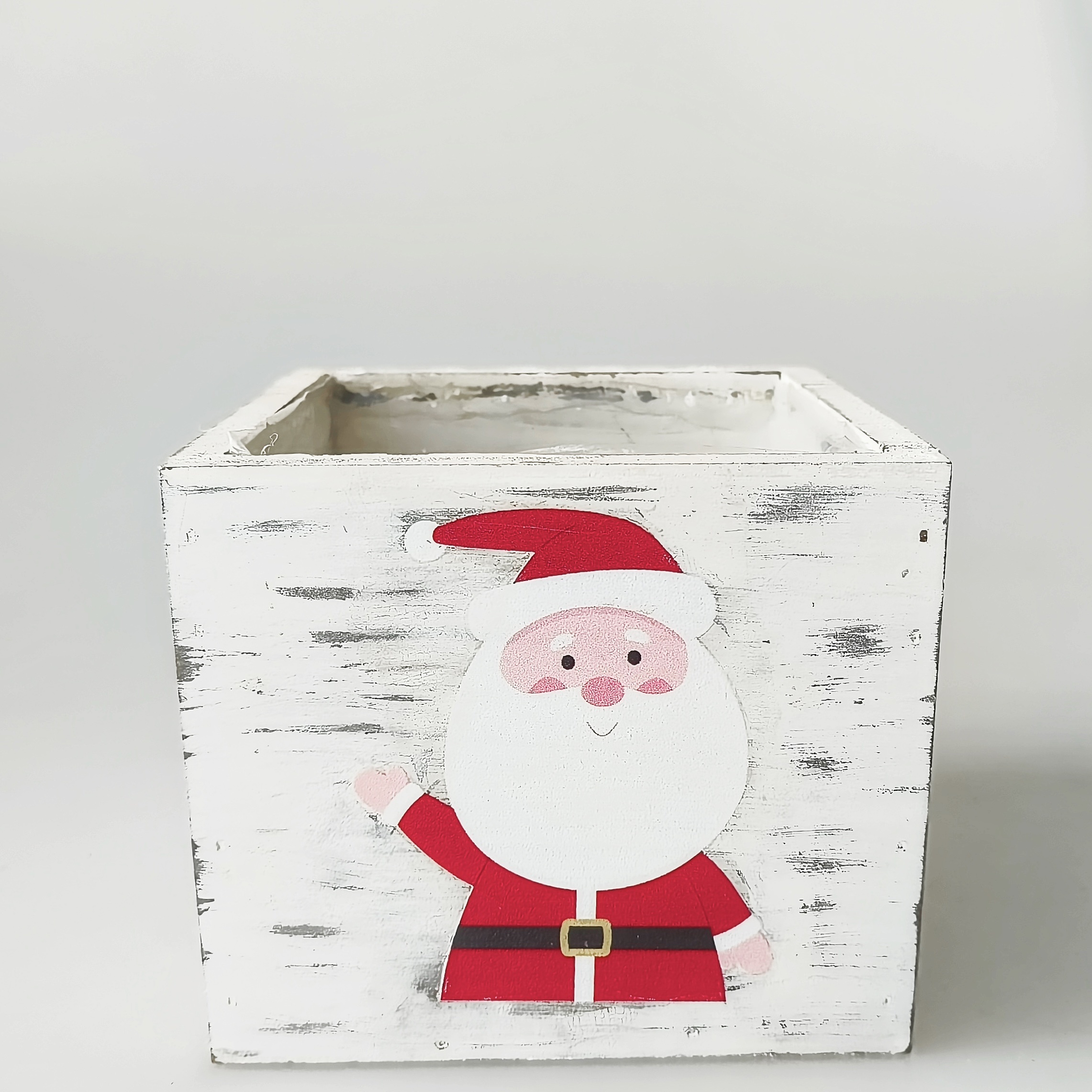
Wood pots, often considered a classic in the realm of artisanal crafts, represent a blend of tradition, functionality, and aesthetic appeal. These handcrafted items not only serve practical purposes but also stand as embodiments of cultural heritage and artistic skill. Understanding the intricacies of wood pots involves delving into the variety of woods used, the techniques employed in their creation, and their potential uses in everyday life.
Firstly, the selection of wood is paramount in the crafting of wood pots. Different types of wood offer varying characteristics in terms of durability, appearance, and workability. For instance, hardwoods such as maple, cherry, and walnut are often favored for their strength and fine grain, making them ideal for pots that require longevity and resistance to wear. On the other hand, softer woods like pine or cedar may be utilized for lighter, decorative pieces, enhancing the rustic feel of any space. The choice of wood not only affects the pot’s functionality but also influences its aesthetic appeal, allowing artisans to create pieces that are visually striking.
The craftsmanship involved in creating wood pots is a meticulous process that demands skill and patience. Artisans often employ techniques such as turning on a lathe, hand carving, or steam bending to shape the wood into its final form. Each method requires a deep understanding of the material properties and a keen eye for design. The finishing process is equally important, with options ranging from natural oils and beeswax to more modern varnishes, all of which enhance the wood's natural beauty while providing protection against moisture and wear.
In addition to their decorative function, wood pots can serve practical purposes. They can be used for storing herbs, spices, or even small household items, making them a versatile addition to any home. Their natural aesthetic complements various interior design styles, from rustic farmhouse to contemporary minimalism, adding warmth and texture to any space.
Moreover, wood pots can be personalized or custom-made, allowing for a unique touch that reflects the individual preferences of the owner. This makes them not just items of utility, but also cherished keepsakes or thoughtful gifts. The relationship between the artisan and the buyer can transform a simple wood pot into a significant piece that holds emotional value.
In conclusion, wood pots are more than mere containers; they are a celebration of craftsmanship and a testament to the beauty of natural materials. By understanding the nuances of wood selection and the artistry involved in their creation, one can truly appreciate these exquisite pieces. Whether for functional use or as decorative elements, wood pots hold a special place in the world of artisanal crafts, embodying both tradition and innovation.
Firstly, the selection of wood is paramount in the crafting of wood pots. Different types of wood offer varying characteristics in terms of durability, appearance, and workability. For instance, hardwoods such as maple, cherry, and walnut are often favored for their strength and fine grain, making them ideal for pots that require longevity and resistance to wear. On the other hand, softer woods like pine or cedar may be utilized for lighter, decorative pieces, enhancing the rustic feel of any space. The choice of wood not only affects the pot’s functionality but also influences its aesthetic appeal, allowing artisans to create pieces that are visually striking.
The craftsmanship involved in creating wood pots is a meticulous process that demands skill and patience. Artisans often employ techniques such as turning on a lathe, hand carving, or steam bending to shape the wood into its final form. Each method requires a deep understanding of the material properties and a keen eye for design. The finishing process is equally important, with options ranging from natural oils and beeswax to more modern varnishes, all of which enhance the wood's natural beauty while providing protection against moisture and wear.
In addition to their decorative function, wood pots can serve practical purposes. They can be used for storing herbs, spices, or even small household items, making them a versatile addition to any home. Their natural aesthetic complements various interior design styles, from rustic farmhouse to contemporary minimalism, adding warmth and texture to any space.
Moreover, wood pots can be personalized or custom-made, allowing for a unique touch that reflects the individual preferences of the owner. This makes them not just items of utility, but also cherished keepsakes or thoughtful gifts. The relationship between the artisan and the buyer can transform a simple wood pot into a significant piece that holds emotional value.
In conclusion, wood pots are more than mere containers; they are a celebration of craftsmanship and a testament to the beauty of natural materials. By understanding the nuances of wood selection and the artistry involved in their creation, one can truly appreciate these exquisite pieces. Whether for functional use or as decorative elements, wood pots hold a special place in the world of artisanal crafts, embodying both tradition and innovation.
Want to know more about the product? Get information now
Hengxiang has provided many customers with high-quality total solutions and complete sets of products.
Contact Us
Tel : +86-771-5516872
Email : sales@hxhandicrafts.com
Address : Kaiyuan Road, Binzhou Industrial Park,Binzhou Town,Binyang County, Guangxi,China.

Copyright ©2023 Guangxi Binyang Hengxiang Handicrafts co Ltd. |
business license