
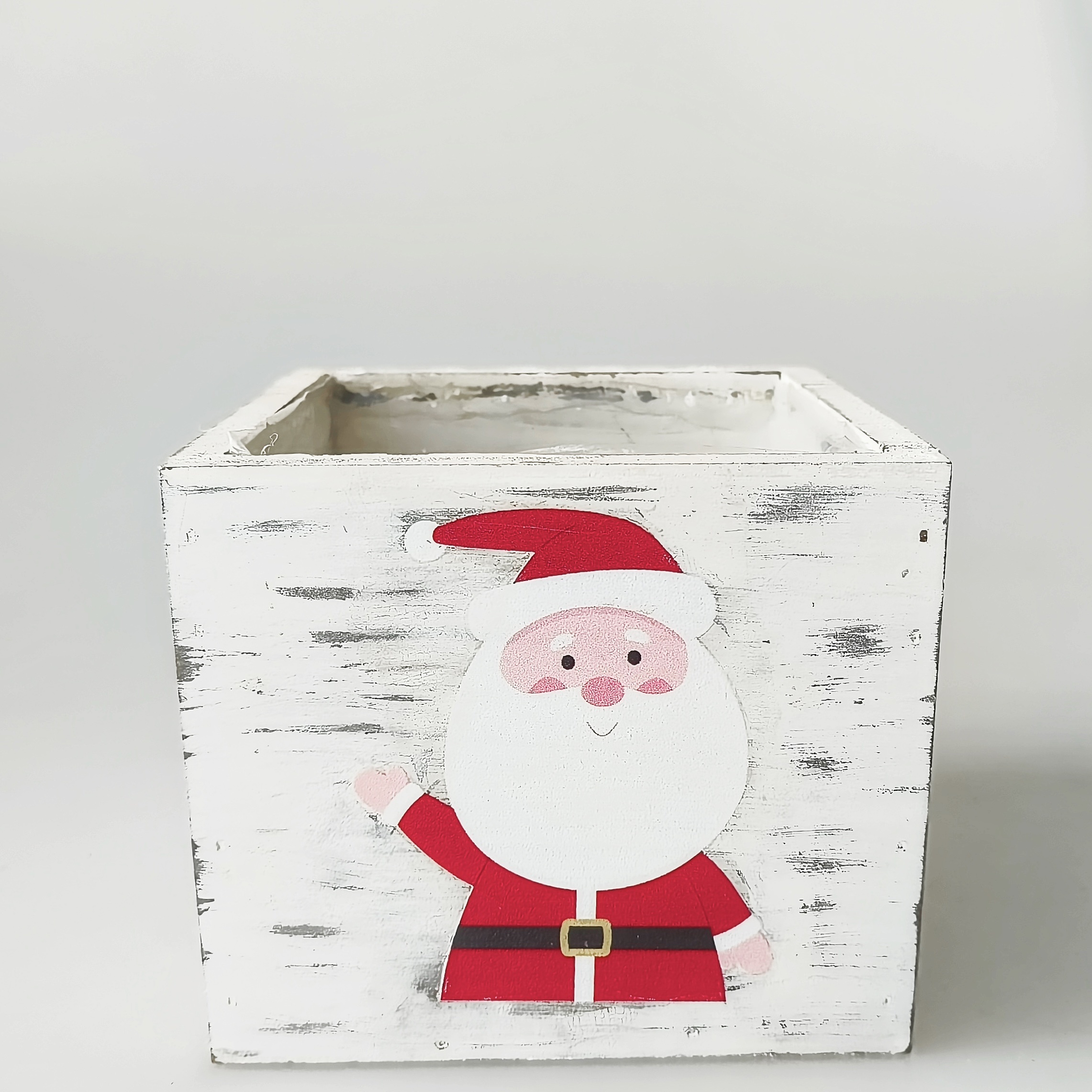


Exploring the Artistic Craft of Woodpot Creations
Release time:
Dec 24,2024
Woodpots are a fascinating segment of the wooden craft industry, showcasing not only the beauty of natural materials but also the skill and artistry of their creators. These items, often handcrafted from various types of wood, serve practical purposes while also providing aesthetic pleasure. The process of crafting a woodpot involves several stages, each requiring precision and a deep understanding of the properties of wood.
The primary material used in woodpot creation is, unsurprisingly, wood itself. Different species of wood impart distinct qualities to the final product. Hardwoods like maple, walnut, and cherry are favored for their durability and fine grain patterns, while softer woods like pine or cedar may be used for more casual designs. The choice of wood significantly affects both the appearance and the functionality of the pot, making it an essential aspect of the crafting process.
To begin the creation of a woodpot, artisans often select a suitable piece of wood and inspect it for imperfections, such as knots or cracks, which could compromise the integrity of the final product. After making careful cuts and shaping the wood with tools like chisels and lathes, the craftsman will then sand the surface to achieve a smooth finish. This stage is crucial, as it not only enhances the visual appeal of the piece but also ensures that it is safe to handle and use.
Once the basic shape is established, artisans may incorporate various decorative elements into the woodpot. This could include intricate carvings, inlays, or even the application of stains or finishes that highlight the wood's natural beauty. The final touches often involve applying a food-safe finish, making the woodpot suitable for culinary use, such as serving salads or storing ingredients.
Culturally, woodpots have retained their significance throughout history, often being passed down through generations. They can serve as functional kitchen items, decorative pieces in homes, or even as collectibles for enthusiasts of wooden art. The craftsmanship involved in creating these pieces not only reflects the skill of the artisan but also connects individuals to a rich tradition of woodworking that spans cultures and centuries.
In conclusion, the woodpot stands as a testament to the artistry and utility of wooden craftwork. By understanding the materials and methods used in their creation, one can appreciate these items not just as practical objects, but as unique pieces of art that celebrate the natural characteristics of wood. As you explore the world of woodpot craftsmanship, you will find that these creations embody a blend of functionality, beauty, and rich cultural heritage, making them a treasured addition to any collection.
The primary material used in woodpot creation is, unsurprisingly, wood itself. Different species of wood impart distinct qualities to the final product. Hardwoods like maple, walnut, and cherry are favored for their durability and fine grain patterns, while softer woods like pine or cedar may be used for more casual designs. The choice of wood significantly affects both the appearance and the functionality of the pot, making it an essential aspect of the crafting process.
To begin the creation of a woodpot, artisans often select a suitable piece of wood and inspect it for imperfections, such as knots or cracks, which could compromise the integrity of the final product. After making careful cuts and shaping the wood with tools like chisels and lathes, the craftsman will then sand the surface to achieve a smooth finish. This stage is crucial, as it not only enhances the visual appeal of the piece but also ensures that it is safe to handle and use.
Once the basic shape is established, artisans may incorporate various decorative elements into the woodpot. This could include intricate carvings, inlays, or even the application of stains or finishes that highlight the wood's natural beauty. The final touches often involve applying a food-safe finish, making the woodpot suitable for culinary use, such as serving salads or storing ingredients.
Culturally, woodpots have retained their significance throughout history, often being passed down through generations. They can serve as functional kitchen items, decorative pieces in homes, or even as collectibles for enthusiasts of wooden art. The craftsmanship involved in creating these pieces not only reflects the skill of the artisan but also connects individuals to a rich tradition of woodworking that spans cultures and centuries.
In conclusion, the woodpot stands as a testament to the artistry and utility of wooden craftwork. By understanding the materials and methods used in their creation, one can appreciate these items not just as practical objects, but as unique pieces of art that celebrate the natural characteristics of wood. As you explore the world of woodpot craftsmanship, you will find that these creations embody a blend of functionality, beauty, and rich cultural heritage, making them a treasured addition to any collection.
Want to know more about the product? Get information now
Hengxiang has provided many customers with high-quality total solutions and complete sets of products.
Contact Us
Tel : +86-771-5516872
Email : sales@hxhandicrafts.com
Address : Kaiyuan Road, Binzhou Industrial Park,Binzhou Town,Binyang County, Guangxi,China.

Copyright ©2023 Guangxi Binyang Hengxiang Handicrafts co Ltd. |
business license