
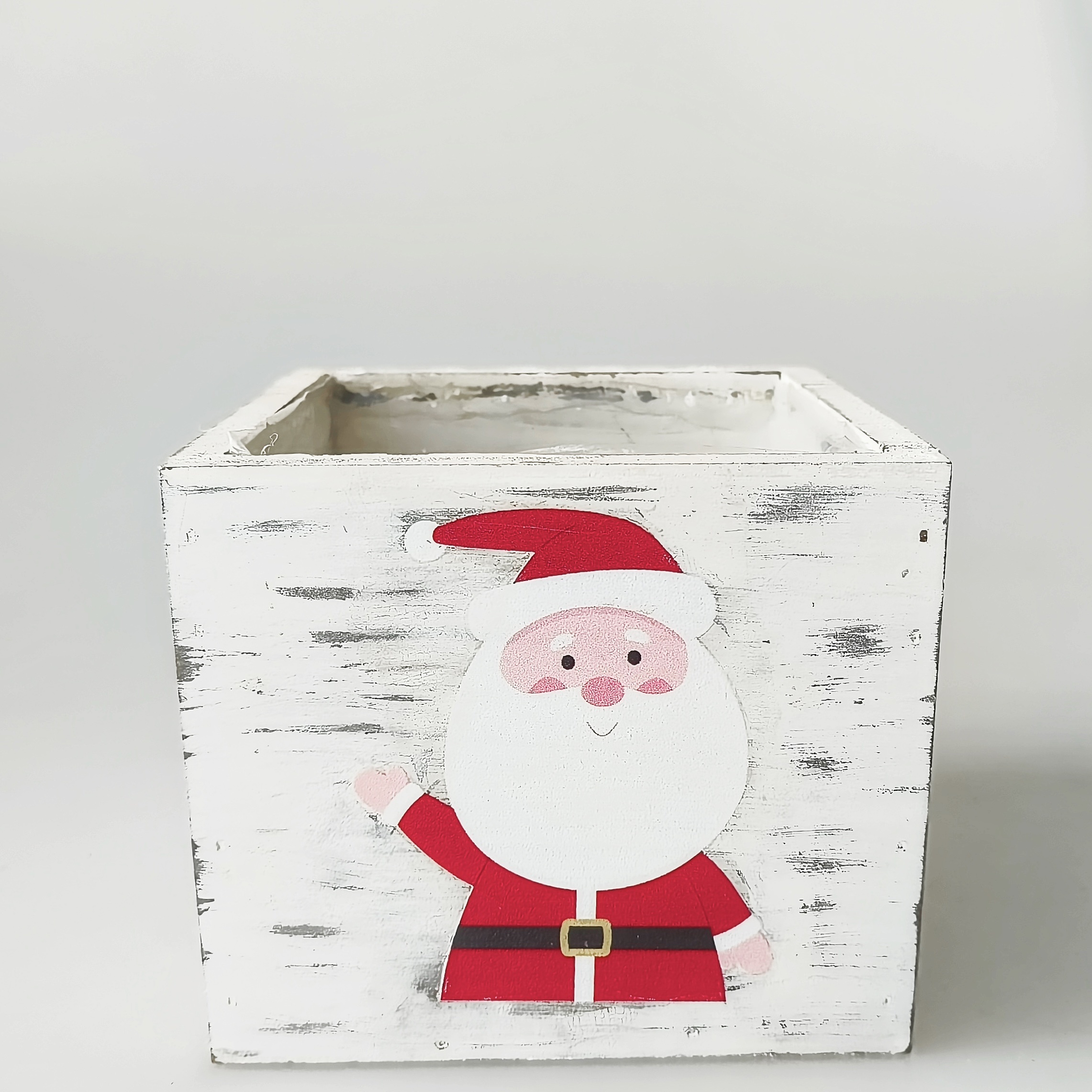


How to Choose the Right Cedar Flower Planters for Your Space
Release time:
Jan 09,2025
How to Choose the Right Cedar Flower Planters for Your Space
When it comes to creating a vibrant garden or enlivening your outdoor space, selecting the right flower planters is crucial. Among various options, **cedar flower planters** stand out for their durability, aesthetics, and natural beauty. This comprehensive guide will walk you through the essential factors to consider when choosing the ideal cedar flower planters tailored to your unique space.
Table of Contents
- Why Choose Cedar Flower Planters?
- Understanding Your Space
- Size Matters: Selecting the Right Dimensions
- Styles and Designs of Cedar Planters
- Drainage Considerations for Healthy Plants
- Maintenance and Care for Cedar Planters
- Sustainability and Eco-Friendliness of Cedar
- Frequently Asked Questions
Why Choose Cedar Flower Planters?
Cedar wood is renowned for its natural resistance to rot and decay, making it an excellent choice for outdoor planters. Here are several reasons why cedar flower planters should be your go-to:
- **Durability**: Cedar wood can withstand various weather conditions, ensuring that your planters last for years.
- **Aesthetic Appeal**: The rich color and grain of cedar enhance the beauty of any garden or patio.
- **Natural Insect Resistance**: Cedar contains natural oils that repel insects, reducing the need for chemical treatments.
- **Insulation Properties**: Cedar has excellent insulating qualities, protecting roots from extreme temperatures.
Understanding Your Space
Before diving into the specifics of cedar flower planters, it's essential to evaluate your available space. Here are key considerations:
- **Available Area**: Measure your garden, balcony, or patio to determine how much room you have for planters.
- **Sunlight Exposure**: Assess how much sunlight your space receives throughout the day. Some plants thrive in full sun, while others prefer partial shade.
- **Accessibility**: Consider how easy it is to access your planters for maintenance, watering, and harvesting.
Evaluating Your Environment
Understanding the environmental factors at play can greatly influence your choice of planters. Factors like wind exposure, humidity, and local climate can affect both the health of your plants and the longevity of your cedar planters.
Size Matters: Selecting the Right Dimensions
When selecting cedar flower planters, size is one of the most critical factors to consider. The dimensions of the planter should match the types of plants you wish to grow.
- **Height**: Taller planters can be easier on the back and are ideal for herbs and small flowers.
- **Width**: Wider planters allow for more extensive root systems, making them perfect for larger plants or arrangements.
- **Depth**: Deep planters are essential for plants with extensive root systems, such as tomatoes or perennials.
Standard Sizes and What They Offer
Cedar planters come in various sizes. Here’s a quick breakdown of standard dimensions and the types of plants they accommodate:
- **Small (12-18 inches)**: Ideal for herbs or small flowers like pansies.
- **Medium (24-36 inches)**: Great for a mix of annuals or perennials.
- **Large (48 inches and above)**: Suitable for larger plants, shrubs, or a combination of different species.
Styles and Designs of Cedar Planters
Cedar planters are available in various styles, allowing you to choose one that complements your space's aesthetics. Here are some popular designs:
- **Rectangular Planters**: Best for narrow spaces, perfect for herbs or flower arrangements.
- **Square Planters**: Provide a balanced look and are excellent for larger flowers.
- **Tiered Planters**: Ideal for creating levels in your garden, adding depth and interest.
- **Hanging Planters**: Excellent for balconies or walls, creating vertical space.
Choosing a Style That Suits Your Space
Your space’s overall design and theme should guide your choice of style. A rustic garden may benefit from traditional, weathered cedar planters, while a modern space might look great with sleek, rectangular options.
Drainage Considerations for Healthy Plants
Effective drainage is vital for plant health. Cedar planters should have drainage holes at the bottom to prevent water accumulation, which can lead to root rot. Here’s what to consider:
- **Pre-drilled Drainage Holes**: Ensure that your planter has adequate drainage holes. If not, you can add your own.
- **Drainage Layer**: Adding a layer of gravel or stones at the bottom can improve drainage and ensure that roots are not sitting in water.
- **Soil Type**: Choose a well-draining potting mix that suits the plants you are planning to grow.
Maintenance and Care for Cedar Planters
To maximize the lifespan of your cedar flower planters, regular maintenance is essential. Here are some helpful tips:
- **Cleaning**: Regularly remove debris and dead leaves from your planters to prevent pests and diseases.
- **Sealing**: Applying a non-toxic sealant can enhance durability, especially in areas with harsh weather.
- **Rotating Plants**: Rotating the plants in your cedar planters every season can prevent depletion of nutrients and help maintain soil health.
Seasonal Care Tips
Understanding seasonal changes can also impact how you care for your cedar planters. In winter, consider moving your planters closer to your home for insulation, while in summer, ensure they have adequate water due to high evaporation rates.
Sustainability and Eco-Friendliness of Cedar
Choosing cedar planters is not only beneficial for your garden but also for the environment. Cedar wood is a sustainable resource when sourced responsibly. Here’s why cedar planters are eco-friendly:
- **Natural Material**: Cedar is biodegradable and does not release harmful chemicals into the soil.
- **Longevity**: The durability of cedar means fewer replacements, reducing waste.
- **Carbon Sequestration**: Trees absorb CO2, making cedar planters a low-carbon choice for your gardening needs.
Frequently Asked Questions
1. Can cedar planters be left outside in winter?
Yes, cedar planters can withstand winter weather, but it’s advisable to move them closer to your home for added protection.
2. How do I prevent my cedar planters from rotting?
Ensure proper drainage and consider applying a non-toxic sealant to enhance longevity.
3. What types of plants thrive in cedar planters?
Most flowers, herbs, and even some vegetables do well in cedar planters, provided they have the right conditions.
4. Is cedar wood safe for food plants?
Yes, cedar is generally safe for growing food plants, but ensure that any sealants used are non-toxic.
5. How often should I water plants in cedar planters?
Watering frequency will depend on the plants and climate, but checking the soil moisture regularly is essential.
Conclusion
Selecting the right cedar flower planters for your space is a significant step in enhancing your gardening experience. By considering factors such as size, style, drainage, and maintenance, you can ensure that your planters not only enhance the aesthetic appeal of your outdoor space but also support the health of your plants. With the right cedar planters, your garden can flourish, providing beauty and joy for years to come.
Want to know more about the product? Get information now
Hengxiang has provided many customers with high-quality total solutions and complete sets of products.
Contact Us
Tel : +86-771-5516872
Email : sales@hxhandicrafts.com
Address : Kaiyuan Road, Binzhou Industrial Park,Binzhou Town,Binyang County, Guangxi,China.

Copyright ©2023 Guangxi Binyang Hengxiang Handicrafts co Ltd. |
business license