
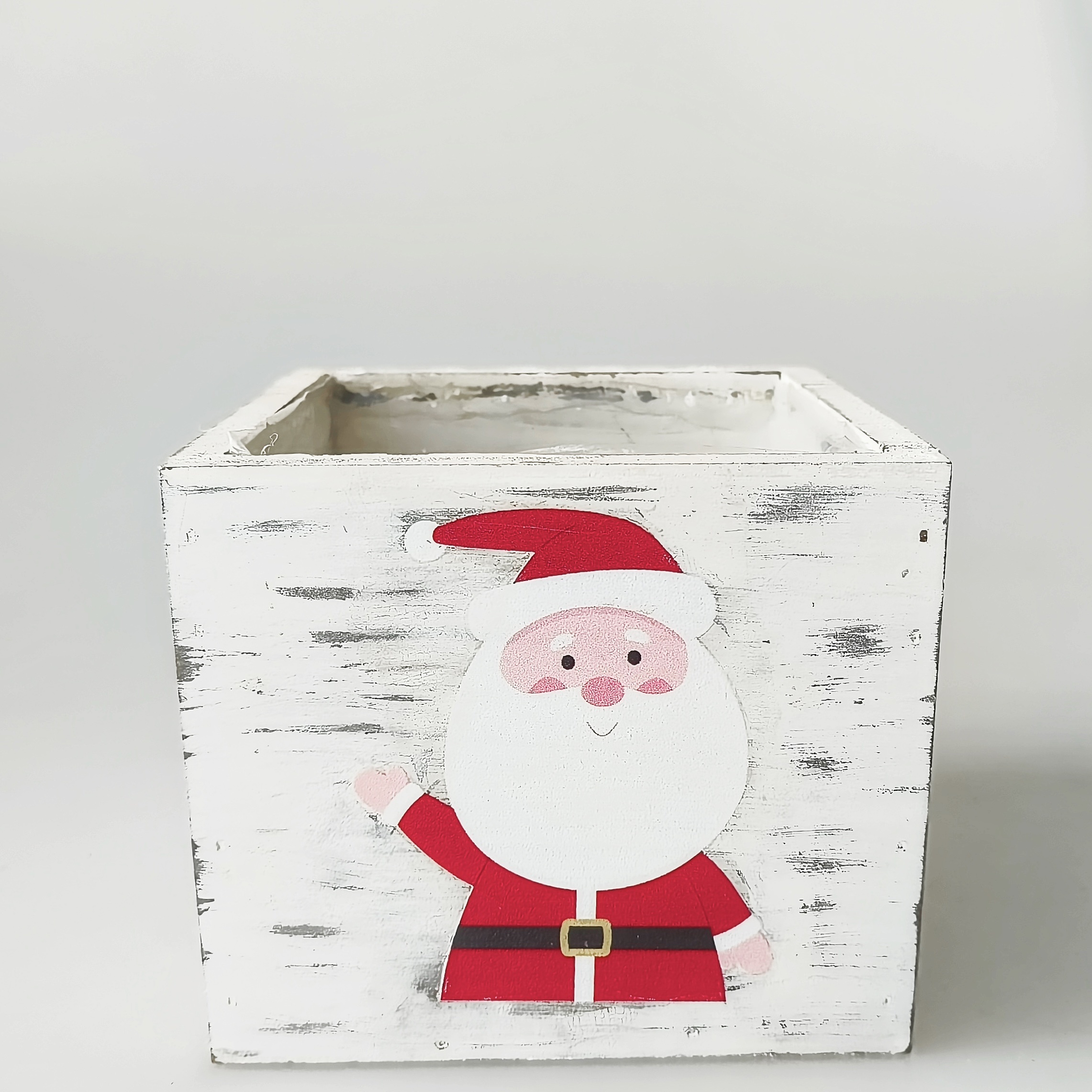


Exploring the Artistry of Woodpot: A Journey into Wooden Craftsmanship
Release time:
Apr 12,2025
Wooden craftsmanship has a rich history that intertwines functionality with artistry, and "the woodpot" exemplifies this beautifully. A woodpot typically refers to a handcrafted wooden vessel, often used for storage or decorative purposes. The allure of woodpots lies not only in their utility but also in the craftsmanship that goes into their creation. Artisans dedicate countless hours to selecting the right type of wood, shaping it, and finishing it to perfection.
The selection of wood is paramount in the creation of a woodpot. Various types of wood offer different aesthetic and functional properties. Hardwoods like oak, maple, and walnut are often favored for their durability and fine grain patterns, which enhance the visual appeal of the finished product. On the other hand, softer woods like pine and cedar may be used for their lighter weight and unique scents. Each type of wood brings its own character, making the choice critical in determining the final look and feel of the woodpot.
Crafting a woodpot involves a series of meticulous steps. Artisans start by sketching the design, taking care to consider both form and function. Once the design is finalized, the wood is cut to the appropriate dimensions. This is often followed by processes like sanding, shaping, and joining pieces, which require skill and precision. Traditional techniques such as hand-carving and woodturning may be employed to add intricate details and enhance the overall beauty of the woodpot.
Finishing is another crucial step in the creation of a woodpot. This process not only protects the wood but also highlights its natural beauty. Artisan finishes may include oils, waxes, or lacquers, each offering different levels of sheen and protection. The choice of finish can significantly impact the final appearance and longevity of the woodpot, making it an essential consideration in the crafting process.
Beyond their functional use, woodpots serve as an artistic expression of the craftsman’s vision. Many artisans incorporate personal styles and traditional motifs, ensuring that each piece is unique. This individuality is often what makes woodpots cherished items, as they can add character and warmth to any space.
In conclusion, the world of "the woodpot" represents a harmonious blend of utility and artistry in wooden craftsmanship. By understanding the materials, techniques, and artistry involved in creating these pieces, one can appreciate the skill and dedication required to produce such exquisite works. Whether for practical use or as a decorative statement, woodpots are a testament to the timeless appeal of handcrafted wooden items.
The selection of wood is paramount in the creation of a woodpot. Various types of wood offer different aesthetic and functional properties. Hardwoods like oak, maple, and walnut are often favored for their durability and fine grain patterns, which enhance the visual appeal of the finished product. On the other hand, softer woods like pine and cedar may be used for their lighter weight and unique scents. Each type of wood brings its own character, making the choice critical in determining the final look and feel of the woodpot.
Crafting a woodpot involves a series of meticulous steps. Artisans start by sketching the design, taking care to consider both form and function. Once the design is finalized, the wood is cut to the appropriate dimensions. This is often followed by processes like sanding, shaping, and joining pieces, which require skill and precision. Traditional techniques such as hand-carving and woodturning may be employed to add intricate details and enhance the overall beauty of the woodpot.
Finishing is another crucial step in the creation of a woodpot. This process not only protects the wood but also highlights its natural beauty. Artisan finishes may include oils, waxes, or lacquers, each offering different levels of sheen and protection. The choice of finish can significantly impact the final appearance and longevity of the woodpot, making it an essential consideration in the crafting process.
Beyond their functional use, woodpots serve as an artistic expression of the craftsman’s vision. Many artisans incorporate personal styles and traditional motifs, ensuring that each piece is unique. This individuality is often what makes woodpots cherished items, as they can add character and warmth to any space.
In conclusion, the world of "the woodpot" represents a harmonious blend of utility and artistry in wooden craftsmanship. By understanding the materials, techniques, and artistry involved in creating these pieces, one can appreciate the skill and dedication required to produce such exquisite works. Whether for practical use or as a decorative statement, woodpots are a testament to the timeless appeal of handcrafted wooden items.
Want to know more about the product? Get information now
Hengxiang has provided many customers with high-quality total solutions and complete sets of products.
Contact Us
Tel : +86-771-5516872
Email : sales@hxhandicrafts.com
Address : Kaiyuan Road, Binzhou Industrial Park,Binzhou Town,Binyang County, Guangxi,China.

Copyright ©2023 Guangxi Binyang Hengxiang Handicrafts co Ltd. |
business license