
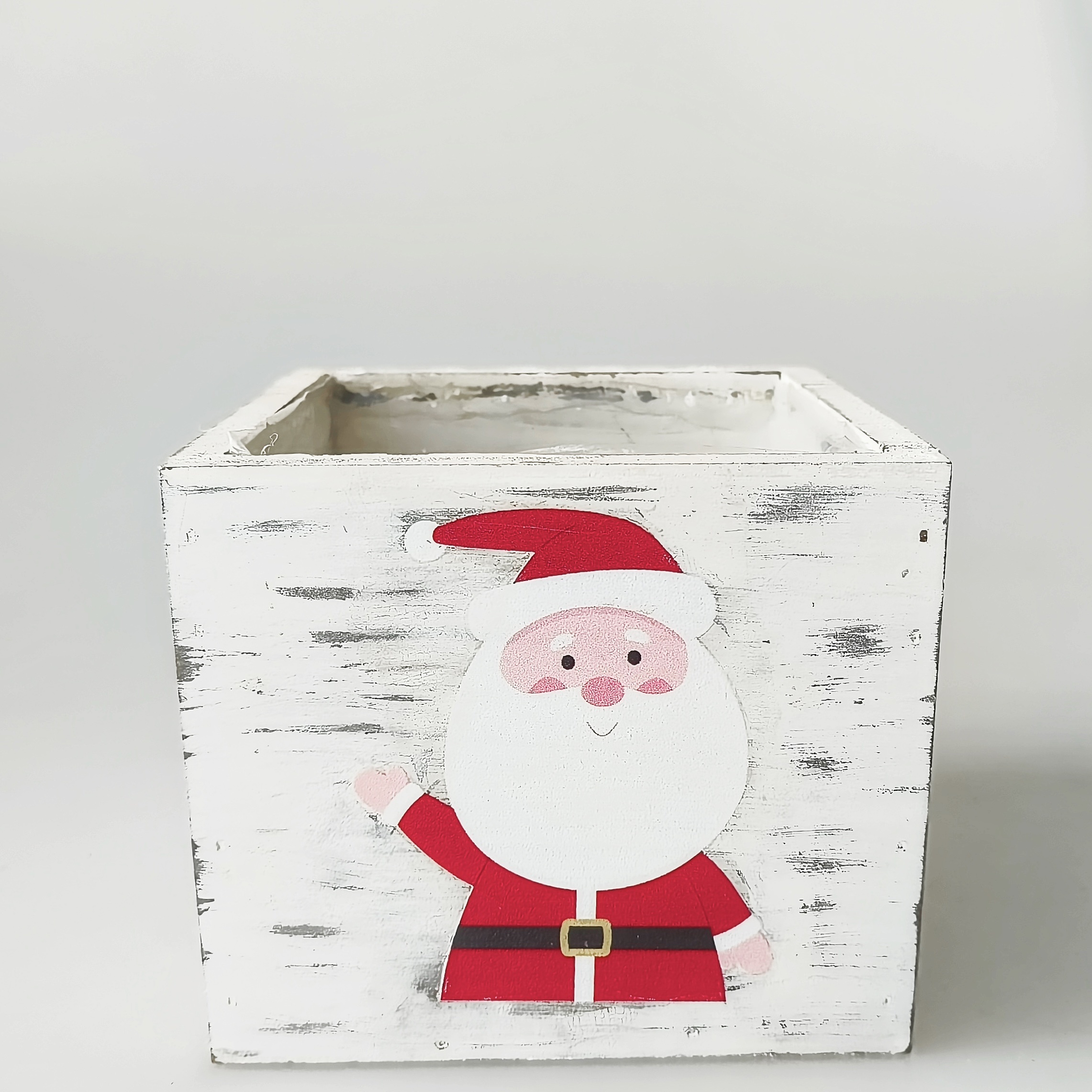


DIY Cedar Flower Planters: Crafting Your Own Garden Masterpiece
Release time:
Sep 10,2025
DIY Cedar Flower Planters: Crafting Your Own Garden Masterpiece
Table of Contents
- Introduction to Cedar Flower Planters
- Why Choose Cedar Wood for Your Planters?
- Essential Tools and Materials Needed
- Step-by-Step Guide to Building Your Cedar Flower Planter
- Creative Design Ideas for Cedar Flower Planters
- Tips for Planting in Your Cedar Planters
- Maintenance and Care for Cedar Flower Planters
- Frequently Asked Questions
- Conclusion
Introduction to Cedar Flower Planters
Cedar flower planters are not only functional but also add a touch of elegance to any garden or patio. The natural beauty of cedar wood, combined with its durability, makes it an excellent choice for crafting beautiful planters. In this comprehensive guide, we will walk you through the entire process of creating your own cedar flower planters, from understanding the benefits of using cedar to designing and building your masterpiece.
Why Choose Cedar Wood for Your Planters?
Cedar wood is a popular choice among gardeners and DIY enthusiasts alike, and for good reason. Here are some compelling benefits of using cedar for your flower planters:
1. Natural Resistance to Rot and Pests
Cedar contains natural oils that act as a preservative, making it resistant to rot, insects, and decay. This durability ensures that your planters will last for many seasons, providing a sturdy home for your plants.
2. Aesthetic Appeal
The warm, rich color of cedar enhances the visual appeal of any garden. Its natural grain patterns make each planter unique, adding character to your outdoor space.
3. Lightweight and Easy to Work With
Despite its strength, cedar is relatively lightweight compared to other types of wood. This makes it easier to transport and handle during the construction process.
4. Sustainable Choice
Cedar is often sourced from sustainable forests, making it an eco-friendly option for garden enthusiasts looking to minimize their environmental impact.
Essential Tools and Materials Needed
Before diving into the construction of your cedar flower planter, it’s essential to gather all the necessary tools and materials. Here’s a comprehensive list to get you started:
Tools
- Circular saw or handsaw
- Drill with drill bits
- Measuring tape
- Square
- Sandpaper (medium and fine grit)
- Paintbrush (if applying finish)
- Safety goggles and gloves
Materials
- Cedar boards (dimensions as per your design)
- Wood screws (preferably stainless steel)
- Wood glue (optional for added stability)
- Landscaping fabric (to keep soil in place)
- Cedar wood sealant or natural oil finish (for protection)
Step-by-Step Guide to Building Your Cedar Flower Planter
Crafting your cedar flower planter can be a rewarding experience. Follow these steps carefully to ensure a successful project.
Planning Your Design
The first step in creating your planter is to decide on the dimensions and style. Consider the space where you will place it and the types of flowers or plants you intend to use. Sketch your design, taking into account the height, width, and depth that will suit your needs.
Cutting the Cedar Wood
Once you have your design planned out, it’s time to cut the cedar wood. Use a circular saw or handsaw to make precise cuts. Ensure you wear safety goggles and gloves during this step. For a standard planter, you will need:
- Four vertical sides (two longer sides and two shorter sides)
- A base and optional bottom slats for drainage.
Assembling the Planter
Start by assembling the sides. Use wood screws to attach the corners securely. If desired, apply wood glue at the joints for extra strength. Once the sides are together, attach the base to the bottom. Make sure the screws are driven straight and flush with the surface to avoid any sharp edges.
Adding Finishing Touches
After assembling the planter, sand any rough edges for a smooth finish. This step is crucial, especially if children or pets will be around. Once sanded, apply a protective cedar wood sealant or oil finish to enhance the wood’s natural beauty and protect it from the elements.
Creative Design Ideas for Cedar Flower Planters
When it comes to design, the possibilities are endless! Here are some creative ideas to inspire your cedar flower planter project:
1. Tiered Planters
Create a tiered design to maximize space and add visual interest. Use different heights for each tier to create a cascading effect.
2. Built-in Trellis
Incorporate a trellis into your planter for climbing plants. This design not only looks stunning but also provides support for vines and flowers.
3. Painted Planters
For a pop of color, consider painting the exterior of your planter. Choose weather-resistant paint to ensure longevity.
4. Custom Engravings
Add a personal touch by engraving your planter with quotes, names, or designs that reflect your style.
Tips for Planting in Your Cedar Planters
Once your cedar flower planter is complete, it's time to plant! Here are some essential tips to ensure your plants thrive:
1. Choose the Right Soil
Use high-quality potting soil that provides good drainage. This is crucial for preventing root rot.
2. Add Drainage Holes
If your planter doesn’t have drainage holes, make sure to add some. This allows excess water to escape, keeping your plants healthy.
3. Select Appropriate Plants
Consider the light conditions and choose plants that will thrive in your specific environment. Mix different heights and colors for a vibrant display.
4. Water Wisely
Monitor the moisture levels in your planter. Cedar wood can absorb moisture, so avoid overwatering.
Maintenance and Care for Cedar Flower Planters
To extend the life of your cedar flower planters, regular maintenance is essential. Here are some best practices:
1. Regular Cleaning
Remove debris, dead leaves, and old soil after each planting season. This prevents pest infestations and keeps your planter looking fresh.
2. Reapply Sealant
Depending on the weather conditions, consider reapplying the wood sealant every couple of years to maintain the wood’s natural resistance.
3. Monitor for Damage
Check for any signs of wear or damage. Repair any cracks or loose screws promptly to ensure the planter remains sturdy.
Frequently Asked Questions
1. How long will cedar planters last?
With proper care, cedar planters can last for many years. The natural oils in cedar help protect against rot and insects.
2. Can I use untreated wood for planters?
While untreated wood is cheaper, it is more susceptible to decay and pests. Using treated or naturally rot-resistant wood like cedar is recommended.
3. How do I prevent my plants from getting too much water?
Ensure your planter has proper drainage holes, and use well-draining soil to prevent water accumulation.
4. What types of plants are best suited for cedar planters?
Choose plants that thrive in your specific climate and light conditions. Flowers, herbs, and small vegetables are excellent options.
5. Can I leave my cedar planters outside during winter?
Yes, cedar is durable against winter conditions. However, consider moving them to a sheltered area if you live in an area with extreme temperatures.
Conclusion
Creating your own DIY cedar flower planters is a fulfilling and rewarding project that enhances the beauty of your garden. By choosing cedar wood, you ensure durability and aesthetic appeal. With careful planning, construction, and maintenance, your cedar flower planters will not only be functional but also serve as stunning focal points in your outdoor space. So gather your tools, unleash your creativity, and let your gardening adventure begin with these beautiful cedar planters!
Want to know more about the product? Get information now
Hengxiang has provided many customers with high-quality total solutions and complete sets of products.
Contact Us
Tel : +86-771-5516872
Email : sales@hxhandicrafts.com
Address : Kaiyuan Road, Binzhou Industrial Park,Binzhou Town,Binyang County, Guangxi,China.

Copyright ©2023 Guangxi Binyang Hengxiang Handicrafts co Ltd. |
business license